A person evaluating Dubai as a place to live will eventually ask a question more consequential than the usual enquiries about visas, schools, taxation and whether July is technically weather or an industrial process:
Can the food supply be trusted?
For health-conscious residents, this is not a decorative concern. Food is purchased several times a week, consumed several times a day and delegated—often without much thought—to importers, regulators, supermarkets, farms, dairies and labels. A city may offer excellent hospitals and polished residential towers, but if buying milk requires forensic training, the relocation proposition becomes less elegant.
Dubai's answer is broadly reassuring, although not quite as simple as its immaculate supermarket aisles suggest.
The city offers a well-regulated, highly formalised and generally trustworthy retail food system. It is considerably easier to buy traceable, properly packaged and internationally certified food in Dubai than in countries where agricultural supply chains are fragmented and enforcement is uneven. However, ordinary supermarket produce is not automatically organic, pesticide-free, residue-free, antibiotic-free or nutritionally superior merely because it is sold beneath excellent lighting.
Dubai is good at procurement. Nature, regrettably, did not appoint it as a breadbasket.
The Mandralus verdict
For a globally mobile household, Dubai scores well on:
- Food safety enforcement.
- Supermarket hygiene and cold-chain reliability.
- Availability of imported premium produce.
- Access to recognised international organic labels.
- Consistency of packaged dairy, meat and grocery products.
- Ease of home delivery and household procurement.
- Depth of app-based procurement — one application can move both you and your groceries.
It scores less strongly on:
- Transparency of public surveillance data.
- Local seasonal abundance.
- Affordability of certified organic food.
- Short farm-to-table supply chains.
- The ability to assume that “premium” means low-pesticide or high-welfare.
In practical terms, Dubai is a city where safe conventional food is easy to obtain, certified premium food is widely available, and exceptionally controlled food can be sourced with deliberate effort.
That places it above many emerging-market cities for everyday trust, but below the best European, Australian and New Zealand systems for regulatory transparency and native agricultural depth.
Dubai's central paradox: excellent food logistics, limited agriculture
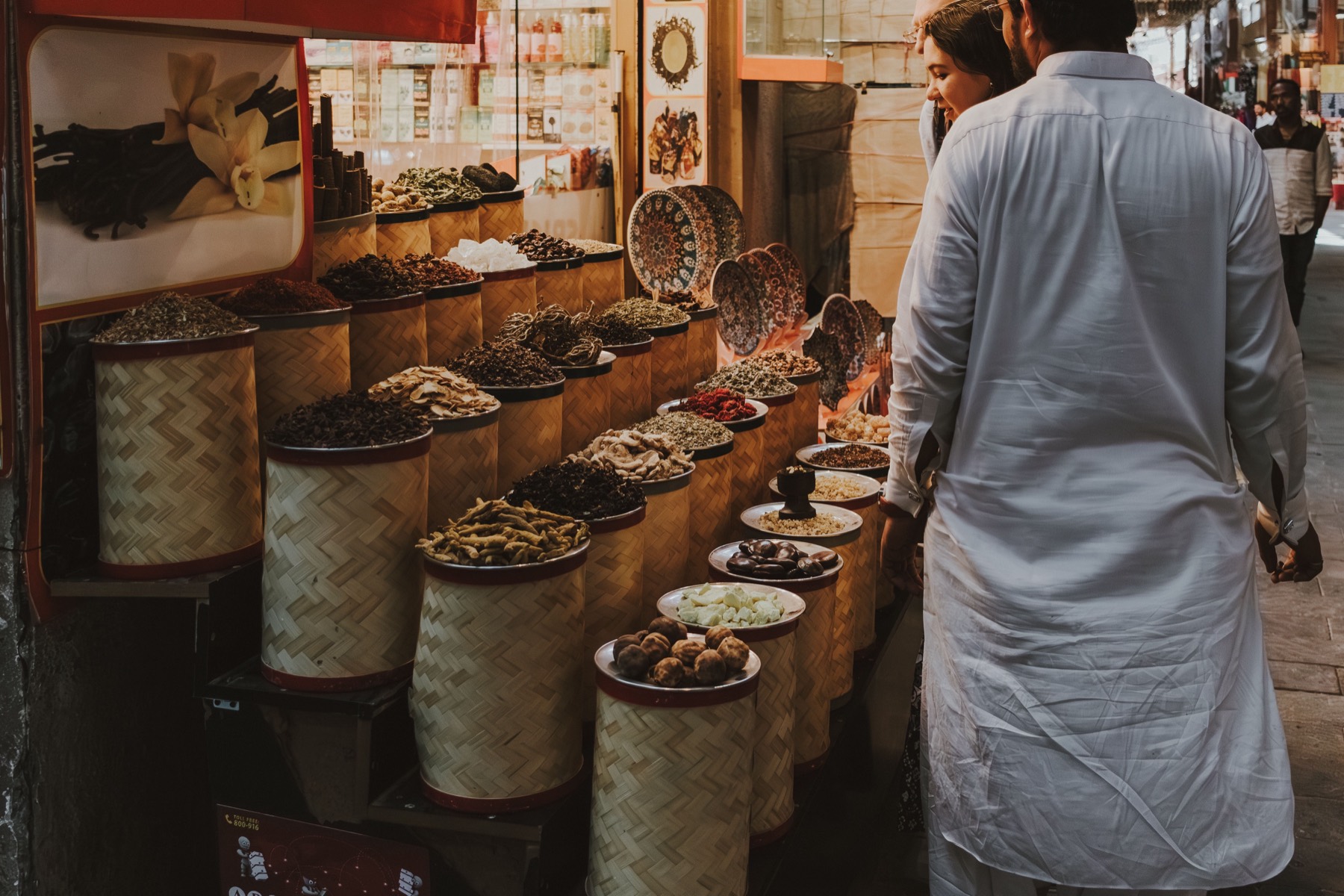
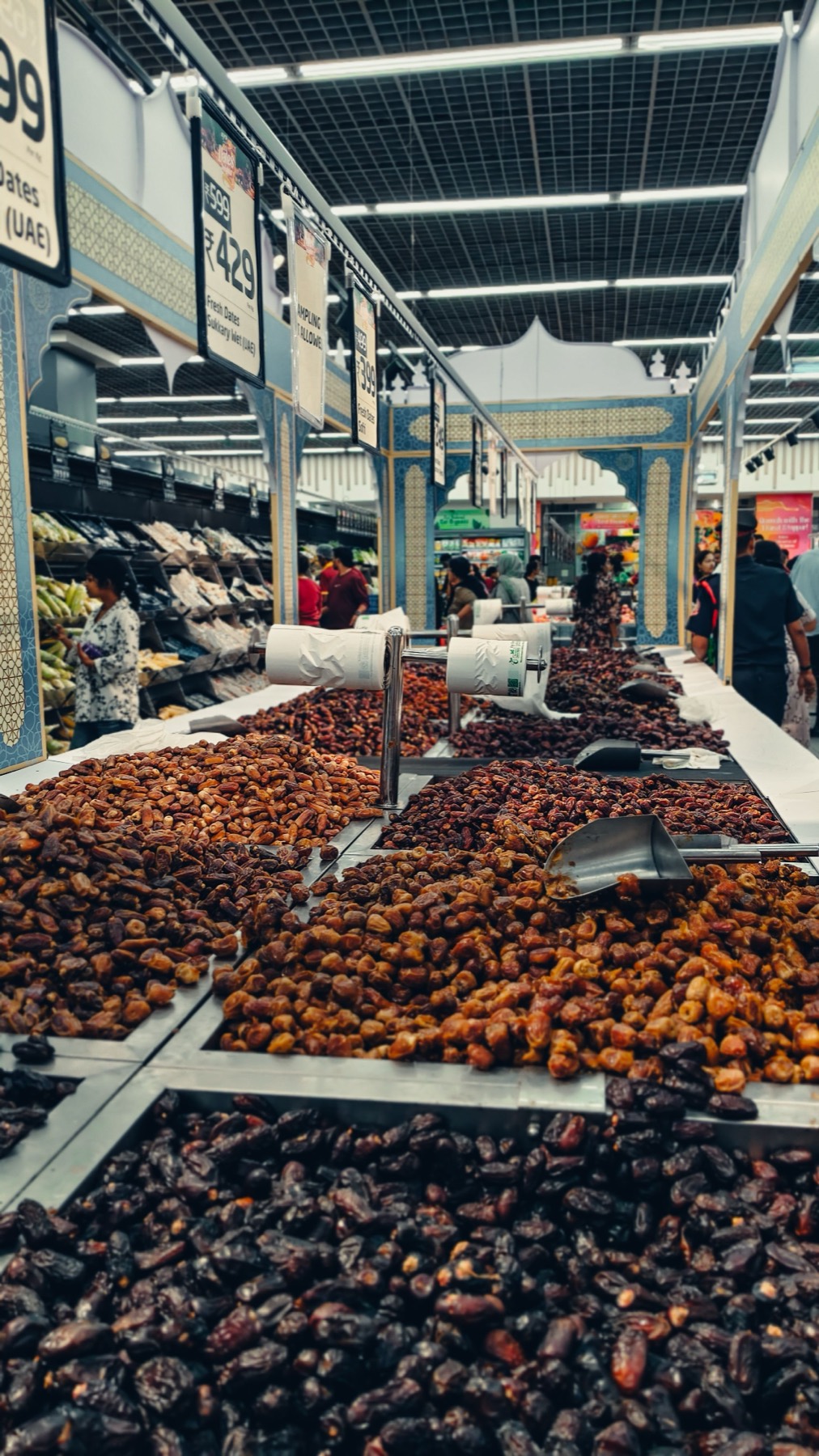
Dubai is one of the world's great distribution cities. Its supermarkets can offer blueberries from Peru, apples from New Zealand, Dutch tomatoes, French cheese, Indian mangoes, Australian meat and Scottish salmon in the same building.
This is impressive, although it should not be confused with local agricultural abundance.
The UAE's food-security policy treats domestic production and imports as complementary parts of the national food system. The country has invested heavily in food-trade infrastructure, diversified sourcing and controlled-environment farming precisely because its climate limits traditional agriculture.
Approximate import share of food consumed; bases differ (value or calories), so read as directional, not one statistical series. *New Zealand and India: estimates — both are net food exporters, and India's big exception is edible oil (≈56% imported). Sources: Singapore Food Agency (2024); FAO / UAE Ministry of Climate Change & Environment; DEFRA UK Food Security Report 2024; Swiss FOAG; USDA ERS (2023); ABARES; NITI Aayog. Read July 2026.
For the resident, this creates two consequences.
First, choice is exceptional. A well-off Dubai household can construct a grocery basket from some of the best food-producing jurisdictions in the world.
Second, quality varies by origin. Dubai's food supply is not one homogeneous system. It is a regulated marketplace containing food produced under many different farming regimes.
The more useful question is therefore not, “Is food in Dubai good?”
It is:
Does Dubai provide a reliable mechanism for selecting good food from a very large international supply pool?
The answer is largely yes.
How food safety is controlled
Dubai Municipality's Food Safety Department oversees imported food, food establishments, product safety and foodborne-illness monitoring. Food products may require registration and assessment, while imported consignments are subject to release procedures before entering the local market.
Dubai also operates food-testing laboratories through the Dubai Central Laboratory. A dedicated facility at the Warsan fruit and vegetable market was established to test pesticide residues in produce.
This matters because Dubai's supermarket system is dominated by formal businesses:
- Large importers.
- Licensed distributors.
- Major retail chains.
- Packaged and barcoded products.
- Controlled storage.
- Documented countries of origin.
- Commercial entities with reputations worth protecting.
The opportunity for the kind of casual adulteration sometimes associated with informal milk, loose oils or untraceable produce is correspondingly lower.
That does not mean every grape has been individually interrogated by a municipal chemist. Food enforcement is risk-based. Authorities inspect consignments, establishments, products and samples; they do not perform a laboratory analysis on every item placed on every shelf.
The system is designed to make non-compliance risky and detectable, not metaphysically impossible.
Does “safe” mean pesticide-free?
No.
This is the most important distinction in the entire article.
Conventional fruits and vegetables sold in Dubai may have been grown with pesticides. The regulatory objective is ordinarily to ensure that residues remain within legally accepted maximum residue limits.
A maximum residue limit is not a declaration that no pesticide was used. It is the highest permitted concentration of a residue in a food product.
This is standard regulatory practice across developed food systems. Australia, for example, applies legal maximum residue limits to domestic and imported food.
The European Union's annual monitoring programme similarly distinguishes among:
- Samples with no quantifiable residues.
- Samples containing residues within legal limits.
- Samples exceeding those limits.
Therefore, when buying conventional produce in Dubai, the sensible assumption is:
The produce is expected to comply with food-safety standards, but it is not necessarily pesticide-free.
That is a much stronger position than buying from an unregulated supply chain. It is not the same as buying certified organic produce or independently tested residue-free produce.
Can organic labels in Dubai be trusted?
They can be trusted when the label is an actual certification rather than horticultural poetry.
The UAE has a federal legal framework covering organic products, farms, processing, certification and labelling. Organic certification entities must be accredited and registered through the applicable conformity and government system.
A recognised organic mark therefore carries legal meaning.
For a consumer, stronger indicators include:
- The UAE organic certification mark.
- The EU organic leaf and control-body number.
- USDA Organic.
- Recognised Australian, New Zealand, British, Canadian, Swiss or Japanese certification.
- A named certifier.
- Producer and country-of-origin information.
- Batch or traceability details.
Weaker expressions include:
- Natural.
- Clean.
- Pure.
- Farm fresh.
- Premium.
- Green.
- Sustainable.
- Lovingly raised.
- Ancestral.
- Anything accompanied by an unusually earnest sketch of a leaf.
These expressions may describe excellent products. They are simply not substitutes for certification.
Organic is not identical to residue-free
Organic farming greatly restricts conventional synthetic pesticides and fertilisers, but it does not necessarily mean that no crop-protection product was used.
Some approved biological or naturally derived treatments may be permitted. Environmental contamination and pesticide drift may also occur.
The terms describe different propositions:
- Certified organic: produced according to an organic farming standard.
- Pesticide-free: no pesticide was used, assuming the claim is credible.
- Residue-free: specified residues were not detected above the test threshold.
- Conventional compliant: residues, where present, remain within legal limits.
A sophisticated buyer should resist collapsing all four into a single moral category.
How Dubai compares with major expatriate hubs
Singapore
Singapore and Dubai share an important structural similarity: both are affluent trade hubs with limited domestic agricultural capacity and extensive dependence on imports.
Singapore's food system is especially strong in centralised regulation, import licensing, risk-based inspection and public communication. Dubai offers a similarly formal retail environment and very broad international sourcing.
Singapore may have a slight advantage in regulatory legibility. Dubai often has greater variety in premium Middle Eastern, European, South Asian and international food.
Relative verdict: broadly comparable for everyday safety; Singapore is somewhat easier to analyse from published official information.
London
London benefits from the United Kingdom's agricultural standards, established supermarket audit systems and proximity to European food production.
Dubai frequently offers the same British and European brands found in London, particularly in premium supermarkets. What Dubai cannot reproduce as consistently is the freshness of produce sourced from nearby temperate farms.
London therefore tends to perform better in:
- Local and regional seasonality.
- Short-haul produce.
- Independent butchers and dairies.
- Transparent farm provenance.
Dubai performs better in:
- Year-round imported variety.
- Tropical and South Asian produce.
- Home-delivery convenience.
- Access to products from several continents in one routine shop.
Relative verdict: London has the stronger native food ecosystem; Dubai has the stronger international procurement machine.
Zurich, Copenhagen and Stockholm
Northern and central European cities are the benchmark for consumers who prioritise label confidence, regulatory transparency, animal welfare and agricultural traceability.
Dubai can import food from these countries, but it does not inherit their entire agricultural culture merely by placing the goods on a refrigerated shelf.
Relative verdict: Dubai offers access to their products, but not the same level of systemic transparency or proximity to production.
Sydney and Melbourne
Australia combines strong chemical-residue regulation, substantial domestic agriculture, excellent meat and dairy production and relatively transparent origin labelling.
Dubai can offer Australian meat, milk products and produce, often at premium prices. Australia itself provides greater freshness and a closer connection between production and consumption.
Relative verdict: Australia is stronger for underlying food resources; Dubai is stronger for global variety.
Auckland
New Zealand remains one of the strongest jurisdictions for dairy confidence. Its national monitoring programmes cover veterinary medicines, pesticides and environmental contaminants in dairy production.
Auckland also benefits from pasture, temperate agriculture and a substantial domestic food industry.
Dubai can provide New Zealand dairy and meat, but usually with longer logistics and higher pricing.
Relative verdict: Auckland wins on source quality and proximity. Dubai wins on the breadth of alternatives.
New York and Los Angeles
The United States offers both exceptional food and deeply industrial food. A consumer can purchase biodynamic vegetables, pasture-raised dairy and highly traceable meat—or ultra-processed products whose ingredient list resembles a minor petrochemical convention.
Dubai is similar in that household outcomes depend heavily on purchasing choices. Premium sourcing is easy for households willing to read labels and pay for it.
American cities usually provide better farmers' markets and local artisanal supply chains. Dubai often provides more convenient imported grocery delivery and a cleaner distinction between mainstream and premium retailers.
Relative verdict: both reward informed buyers; major American cities provide greater local depth, while Dubai provides unusually efficient international selection.
Mumbai, Delhi and Bengaluru
India produces outstanding food. It also contains a fragmented chain of farmers, traders, processors, wholesalers, dairies, informal sellers, modern retailers and certification regimes whose quality varies substantially.
The problem is not absence of good food. The problem is verification.
Dubai's advantages are:
- More formal retail channels.
- Lower dependence on loose and anonymous products.
- Stronger packaging and traceability.
- More consistent refrigeration.
- Clearer country-of-origin information.
- More concentrated enforcement.
- Easier access to internationally certified products.
India may deliver far superior seasonal flavour when food is sourced directly from trusted farms. Dubai delivers greater consistency with less investigative labour.
Relative verdict: Dubai is easier to trust by default; India can equal or exceed it through carefully built private sourcing networks.
The online dimension
Availability now has a second axis: not what a city's shelves hold, but what its apps can summon. The genus increasingly buys food through glass, so the comparator should too.
Super app = one application for rides, restaurant food and groceries (Careem in Dubai; Grab in Singapore). Quick comm. = sub-30-minute groceries. Full basket = a dependable weekly shop online. 'Partial' super app = Uber's rides-plus-Eats without a mature grocery arm. As of July 2026 — after Deliveroo left Singapore, Menulog closed in Australia, and Zurich's Farmy went bankrupt.
Only two habitats in this set have a true super app — Dubai (Careem) and Singapore (Grab). India's metros deliver groceries faster than anyone on earth — ten minutes, routinely — yet no Indian app will also hail the car. London's full-basket ordering and farm-box culture remain the benchmark; Zurich still has no quick commerce at all; Australia lost Menulog in late 2025 and now runs on a two-app duopoly.
Relative verdict: for summoning food with one application, Dubai is world class — equalled only by Singapore, and out-sprinted, in minutes per melon, only by India.
What about milk, antibiotics and hormones?
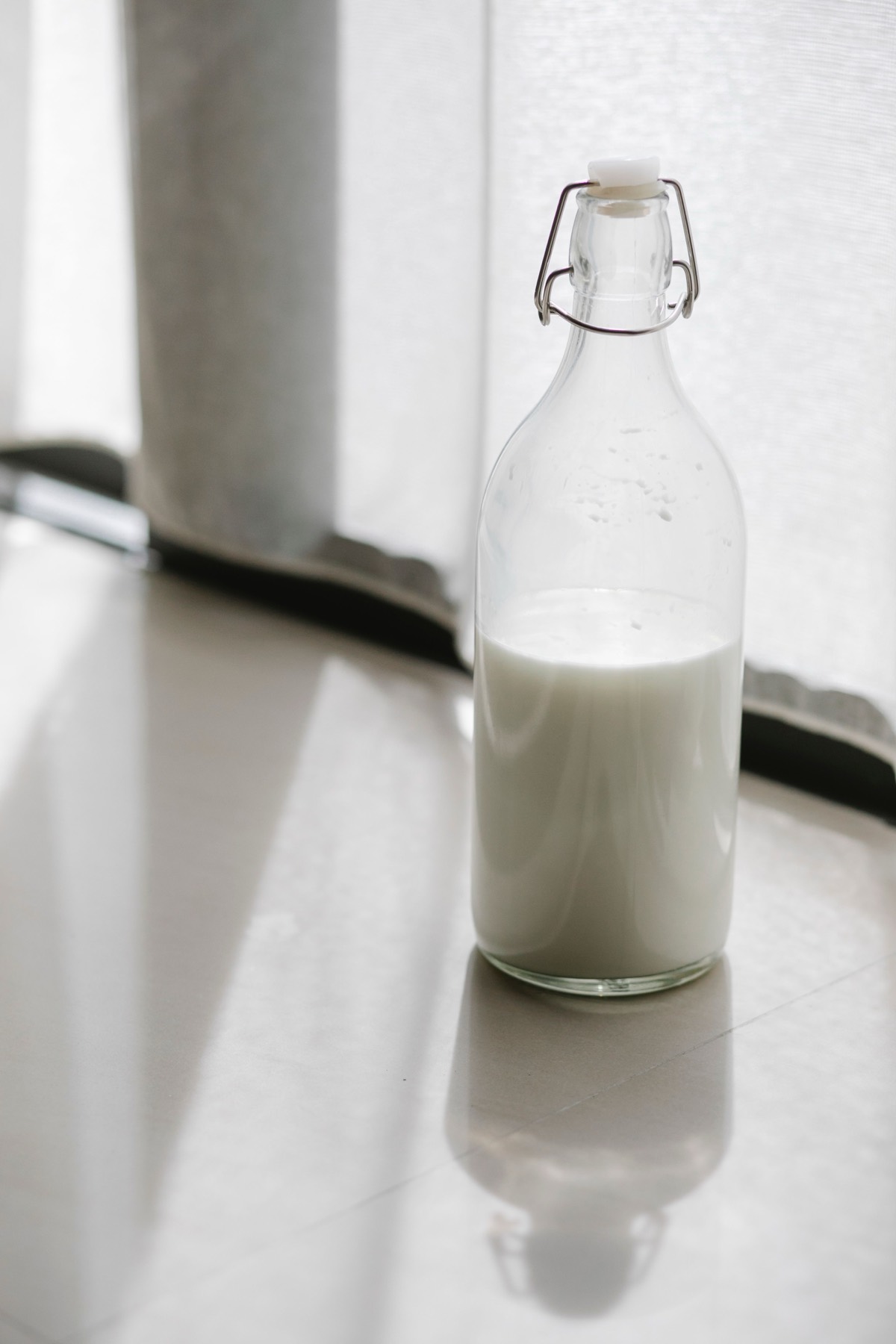
Mainstream milk sold by recognised supermarkets in Dubai is generally pasteurised or UHT-treated, packaged and supplied through licensed dairies or importers.
For most relocating households, the risk of ordinary supermarket milk being casually diluted or adulterated is low compared with informal milk systems.
The more nuanced questions are:
- Were the animals treated with antibiotics?
- Were withdrawal periods observed?
- Are veterinary-drug residues monitored?
- Were growth-promoting hormones used?
- Was the milk produced under an organic or pasture-based standard?
These are not answered by the word fresh.
Antibiotics may legitimately be administered to sick animals. The relevant safety mechanism is that milk from treated animals should not enter the supply chain until the required withdrawal period has passed.
Similarly:
- No antibiotic residues detected does not necessarily mean the animal was never treated.
- Raised without antibiotics is a stronger husbandry claim.
- Organic usually imposes additional production restrictions.
- Hormone-free should be interpreted in the context of the relevant certification and country of production.
For the most conservative dairy strategy in Dubai, choose:
- Sealed pasteurised or UHT milk.
- A recognised producer.
- Clearly identified origin.
- Certified organic production where desired.
- Products from jurisdictions with strong dairy-residue monitoring, such as New Zealand, Australia or the European Union.
The ordinary local dairy supply is suitable for most households. Those seeking pasture-based, organic or unusually high-welfare dairy will need to shop selectively.
The quality of fresh produce: regulation versus flavour
Dubai's supermarket produce is often visually excellent because it is:
- Export-graded.
- Selected for uniformity.
- Packaged for transport.
- Kept within a managed cold chain.
- Sourced by professional buyers.
Visual quality, however, is an unreliable philosopher.
A perfectly symmetrical tomato may have been selected for shelf life rather than flavour. Fruit shipped over long distances may be harvested before peak ripeness. Imported berries may look more dignified than they taste.
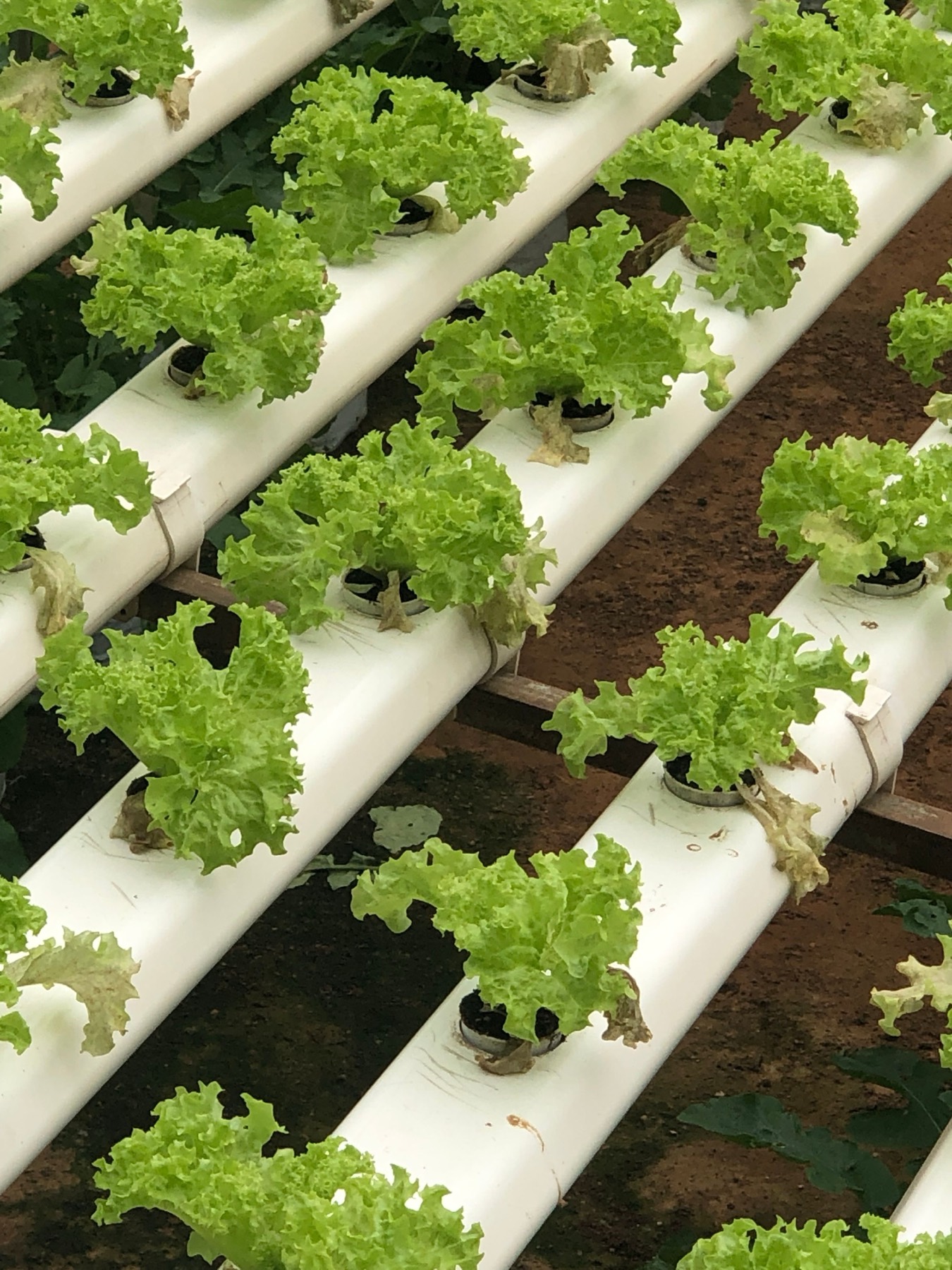
Locally grown UAE produce can be fresher, particularly during the cooler agricultural season. Controlled-environment agriculture, greenhouses and hydroponics have expanded the range of local greens, herbs, tomatoes, cucumbers and other vegetables.
But several distinctions remain necessary:
- Local is not automatically organic.
- Hydroponic is not automatically pesticide-free.
- Imported is not automatically inferior.
- Expensive is not automatically cleaner.
- Ugly is not automatically virtuous.
The best Dubai grocery baskets tend to combine:
- Local seasonal vegetables.
- Imported fruit from strong producing countries.
- Certified organic items where exposure concerns are higher.
- Mainstream conventional items where certification adds little practical value.
- Dairy and meat selected by producer and origin.
A practical procurement hierarchy
For readers relocating to Dubai, the following system is more useful than attempting to purchase everything from a single immaculate emporium.
Tier 1: dependable everyday supermarkets
Spinneys
A strong choice for fresh produce, imported groceries, meat, fish and clearly presented origin information. Spinneys usually appeals to consumers who value consistency over aggressive pricing.
It is particularly useful for:
- European and British products.
- Prepared foods.
- Fresh herbs and greens.
- Better-than-average produce presentation.
- Premium dairy and meat.
Waitrose UAE
Well suited to households familiar with British standards and labelling. It carries an extensive range of imported products and premium private-label goods.
It is useful when the buyer wants familiarity, packaging clarity and predictable quality rather than bargain hunting.
Carrefour
Carrefour offers a wider pricing spectrum, ranging from standard groceries to organic and imported premium products. Its larger branches can be surprisingly comprehensive.
The important point is to shop by product and certification rather than assuming the entire store operates at one quality tier.
Kibsons
Kibsons is one of Dubai's most established online fresh-food suppliers and is widely used for fruit, vegetables, organic products and household grocery delivery.
Its practical advantage is logistical: a household can compare origins, varieties and prices without touring several supermarkets in climate-controlled traffic.
Specialist and premium sourcing
These options are useful for households seeking tighter control, although they need not form the basis of the entire grocery budget.
Emirates Bio Farm
Located in Al Ain, Emirates Bio Farm supplies certified organic vegetables, fruit and eggs. It offers direct delivery, with locally grown products marketed as being delivered shortly after harvest.
Best suited for:
- Local organic vegetables.
- Seasonal farm boxes.
- Eggs.
- Buyers who prefer purchasing close to the producer.
Greenheart Organic Farms
Greenheart operates a farm in Sharjah and sells locally grown organic produce alongside selected imported organic products. It also provides home delivery across the Emirates.
Best suited for:
- Farm-direct greens and vegetables.
- Less conventional varieties.
- Households interested in seasonal local farming.
Organic Foods & Café
This is the closest Dubai comes to a full-spectrum organic supermarket. It carries organic and biodynamic produce, dairy, meat, pantry items, bakery products and household goods.
Best suited for:
- One-stop organic shopping.
- Imported organic dairy and meat.
- Specialist dietary products.
- Consumers who would rather pay a premium than conduct label arbitration in aisle seven.
FreshOnTable
FreshOnTable focuses on connecting local farms and food businesses, with attention to farm identity and supply-chain traceability.
Best suited for:
- Local farm sourcing.
- Produce provenance.
- Households and chefs interested in UAE-grown products.
Seasonal markets and farm events
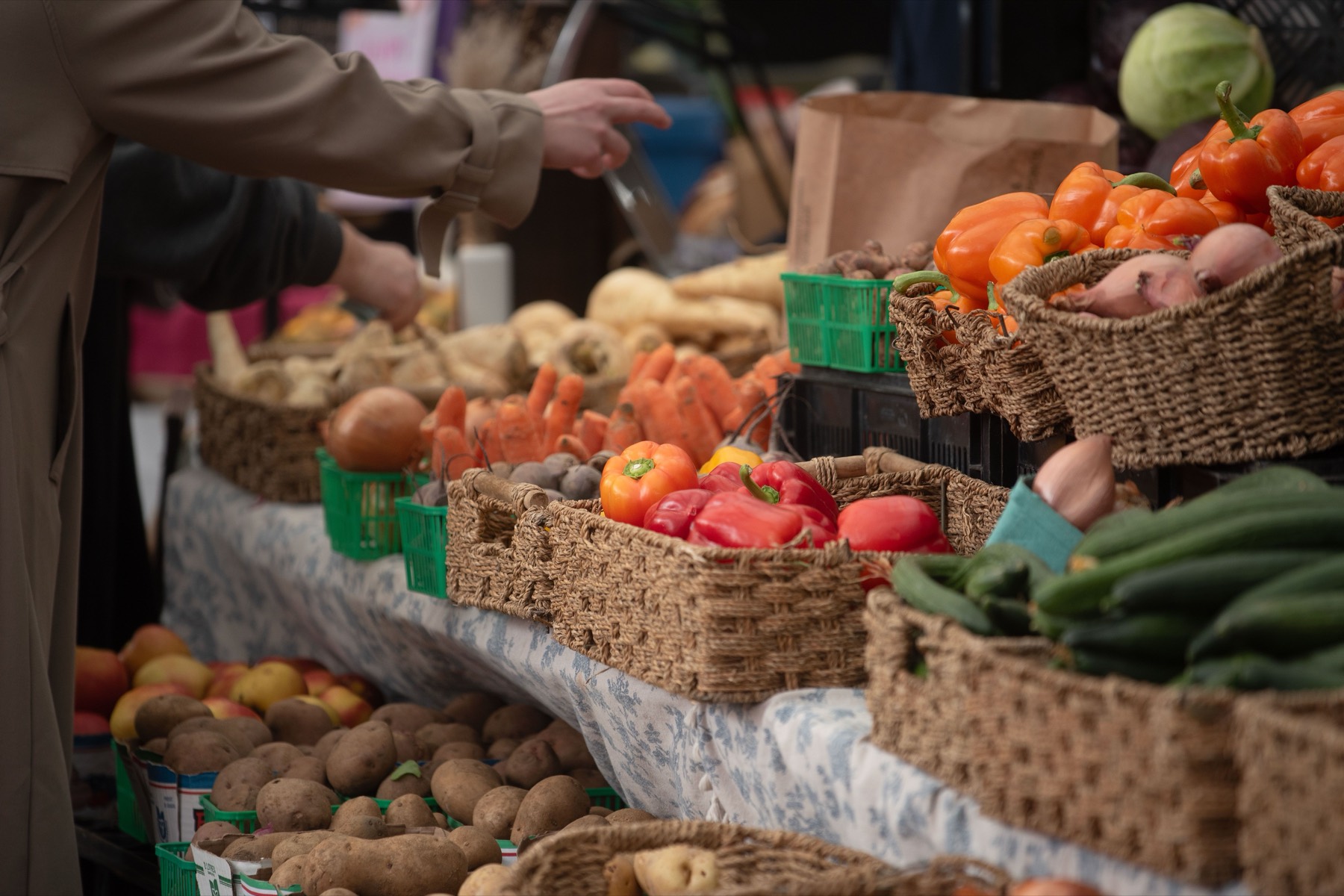
Markets such as The Ripe Market can provide access to local producers and smaller food businesses. They are valuable for discovery, but a market setting should not itself be treated as a certification.
Ask:
- Who grew it?
- Where was it grown?
- Is it certified organic?
- Is the seller the grower or a reseller?
- What does “chemical-free” mean in measurable terms?
A canvas awning does not repeal the need for due diligence.
The summoned pantry: food by app
Dubai may be the most delivery-saturated habitat the genus occupies. The species here does not go to the watering hole; the watering hole is dispatched, chilled, within the hour.
The half-remembered rumour is true: there is one application that orders the taxi, the biryani and the bananas. Careem — born in Dubai, majority-owned by Uber — files a whole life under four tabs: rides, restaurant delivery, a fifteen-minute grocery service called Quik, and payments. Quik stocks its produce from UAE farms such as Pure Harvest and Bustanica, often within a day of harvest — which quietly makes the super app one of the shortest farm-to-door chains in the city.
Around it stands a deep bench. Talabat, the region's listed delivery giant, moves roughly forty-five per cent of Dubai's restaurant orders and runs its own dark-store groceries. noon answers with fifteen-minute noon Minutes; Deliveroo (DoorDash-owned since late 2025) holds the premium end; InstaShop aggregates six hundred supermarkets; Amazon added a fifteen-minute service in 2025; and Kibsons — the produce importer with the chilled vans — is, tellingly, the best-rated food app in the Emirates. The newest arrival, Meituan's Keeta, is buying market share with discounts and, so far, the worst reviews on the shelf.
UAE App Store ratings out of 5, read 25 July 2026; Google Play ratings are global and run slightly lower. Careem highlighted: the one app that also hails the taxi. A rating measures logistics, not agriculture.
Two cautions for the relocating naturalist. First, an app rating measures logistics, not agriculture — five stars means the van was on time, not that the tomato was worth eating. Second, the label rules of this article do not dissolve at the checkout screen: certification, origin and producer still decide quality at two in the morning, exactly as they do in aisle seven.
One note for arrivals from India: Zomato does not deliver here — it handed its UAE operation to Talabat and left in 2022. The muscle memory transfers; the app does not.
A sensible weekly shopping strategy
A health-conscious Dubai household need not buy every item organically.
A more rational allocation is:
Buy certified organic more selectively for:
- Leafy vegetables.
- Strawberries and berries.
- Grapes.
- Herbs.
- Produce eaten with the peel.
- Baby food ingredients.
- Milk and eggs, where husbandry standards are a priority.
Buy conventional but traceable produce where appropriate:
- Bananas.
- Oranges and citrus with discarded peel.
- Melons.
- Avocados.
- Onions.
- Garlic.
- Produce from clearly identified farms or origins.
Prioritise origin for:
- Milk.
- Meat.
- Poultry.
- Eggs.
- Fish.
- Berries.
- Apples.
- Grapes.
- Packaged baby foods.
Treat marketing language cautiously for:
- “Natural” meat.
- “Farm-fresh” milk.
- “Chemical-free” vegetables.
- “Premium” eggs.
- “Sustainable” fish.
- “Healthy” snacks.
The objective is not to become suspicious of lunch. It is to assign trust according to evidence.
Which countries provide the strongest food resources?
There is no single global winner because “best food” may mean regulatory safety, flavour, agricultural ecology, dairy quality, low pesticide use, animal welfare or traceability.
For globally mobile households, the following jurisdictions are particularly strong.
Strongest for overall trust and transparency
- Denmark
- Sweden
- Finland
- Switzerland
- Austria
- Germany
- Norway
- Netherlands
- Australia
- New Zealand
These countries combine mature regulation, formal farming systems, strong retailers and comparatively high traceability.
Strongest for dairy
- New Zealand
- Denmark
- Finland
- Netherlands
- Ireland
- Switzerland
- Australia
- Sweden
- France
- Germany
Strongest for organic-label confidence
- Denmark
- Austria
- Germany
- Switzerland
- Sweden
- Finland
- France
- Australia
- New Zealand
Strongest for exceptional fruit and produce
- Japan, for premium cultivation and grading.
- Italy, France, Spain and Greece, for seasonal produce.
- New Zealand, for apples, kiwifruit and berries.
- Australia, for varied horticulture.
- Netherlands, for controlled greenhouse production.
- Chile and South Africa, for strong export-oriented fruit industries.
Dubai's advantage is that much of this can be purchased without living in any of these countries.
Its disadvantage is that the produce has travelled to meet you.
Final assessment
Dubai is a strong relocation choice for people who care about food safety but do not require their food system to be intrinsically local.
The city provides:
- Credible regulatory oversight.
- Controlled formal retail.
- Strong packaging and traceability.
- Dependable cold-chain management.
- Recognised organic certification.
- Access to produce and dairy from high-standard countries.
- Unusually convenient household delivery.
Its weaknesses are subtler:
- Conventional food is not necessarily pesticide-free.
- Premium food can be expensive.
- Public surveillance data is less granular than in the EU or Australia.
- The city's food quality depends heavily on imports.
- Freshness may be sacrificed for transport durability.
- Residents must learn to distinguish certification from branding.
For the prospective Mandralus, the conclusion is neither alarmist nor utopian:
Dubai is not the world's farm. It may, however, be the world's most efficiently air-conditioned pantry.
THE VERDICT
Dubai's food supply can generally be trusted for safety. Its highest quality can be trusted when the buyer pays attention to certification, origin and producer. What should not be trusted is the assumption that an elegant supermarket has already made every nutritional and ethical decision on your behalf.
3 of 4 footprints — “Reroute the trip.”